We're the OneTapLog team. If you're studying for an exam or grinding through vocabulary, you've probably hit a quiet frustration: you put in the work day after day, but nothing records that you did it. A week later you can't tell whether you've been consistent or whether you've quietly let three days slip. Without a visible record, motivation has nothing to hold onto. In this article we'll talk about how a light study log keeps a streak alive — and how it pairs with the apps you use to actually memorize.
Studying that leaves no trace is hard to keep up
The problem with memorization work is that the effort evaporates the moment you close the book. You reviewed a deck of cards, but tomorrow that session leaves no mark, and the day after it's as if it never happened. When there's nothing to look at, every day feels like starting from zero, and that's where the discouragement creeps in. A streak you can't see is a streak that's easy to drop.
A study log fixes this by giving the work somewhere to land. You don't need to record what you learned in detail — you just need proof that the session happened. The record is the point, not the report.
One line plus a tag, the moment you finish
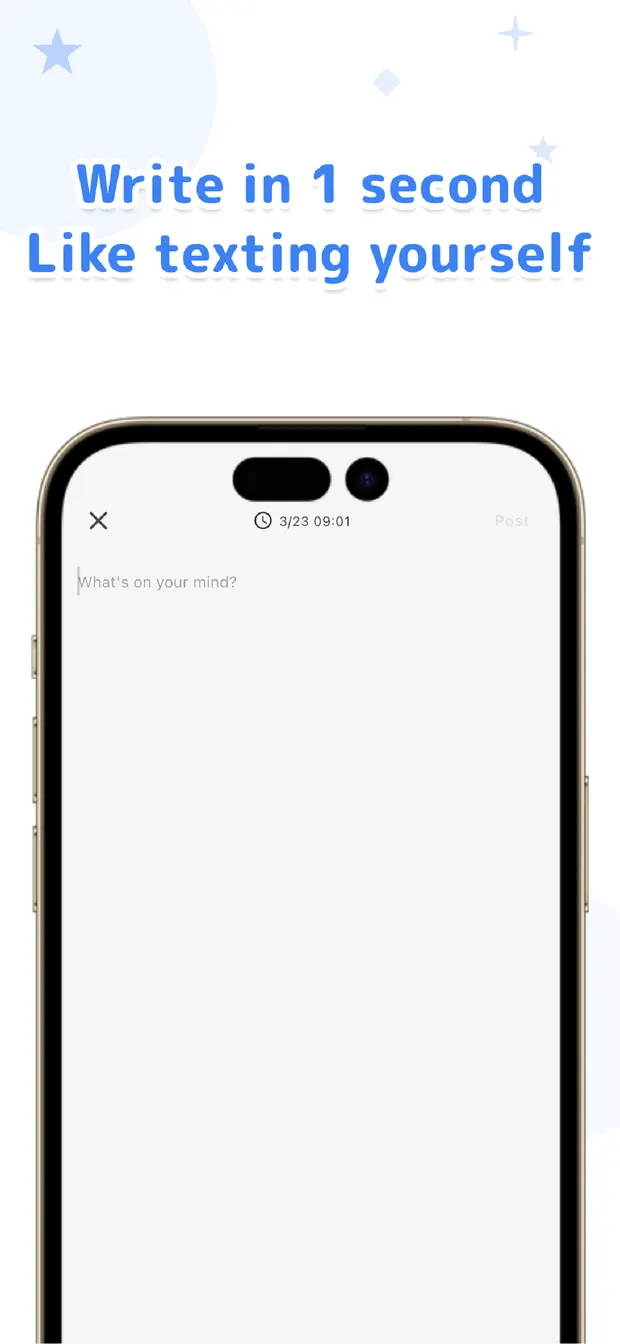
With OneTapLog, the input field is ready the instant you open the app, so the second you finish a session you type "Reviewed 30 cards" and send with one tap. Drop a #study tag in the text and it's automatically filed, so later you can pull up every study entry on its own. The timestamp is saved for you, so the log is honest about when you actually did it.
This pairs naturally with how a lot of us actually memorize. A flashcard app like Flips is great for the act of remembering — drilling cards, testing recall. But a flashcard app isn't built to show you a month of consistency at a glance. So we like to think of it as a division of labor: a dedicated app for learning the material, and OneTapLog for recording that you showed up. The two jobs are different, and keeping them separate keeps each one light.
See the streak on a Gantt view
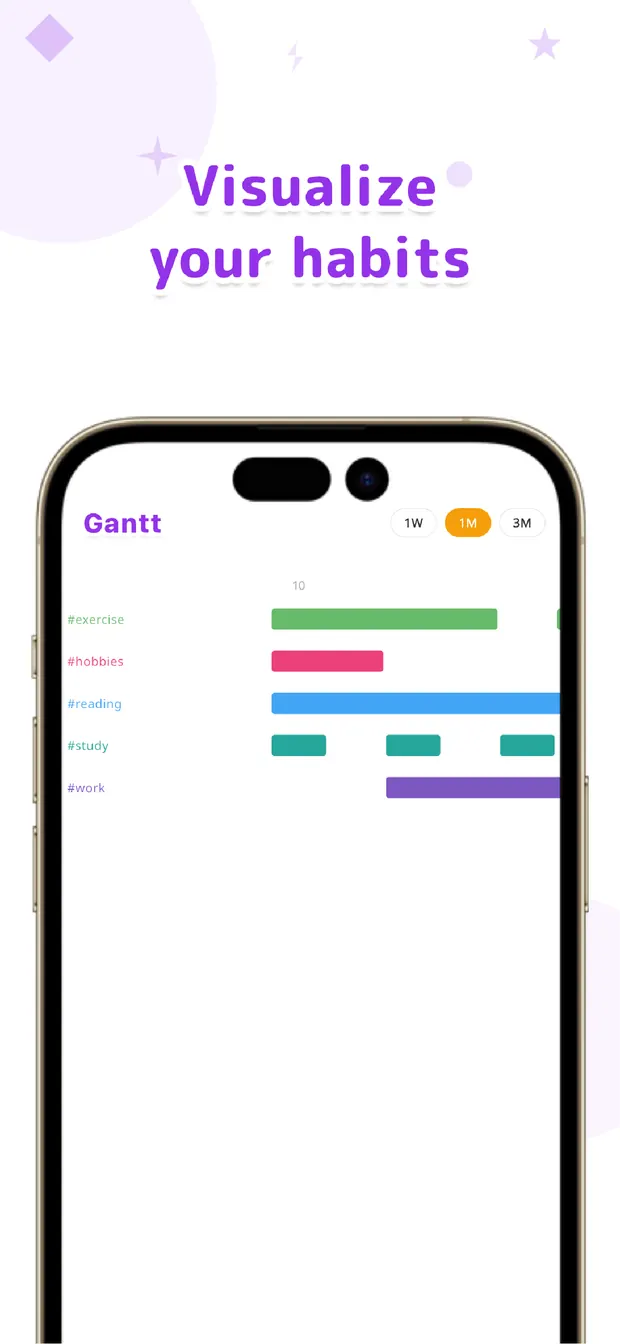
Once a few days of #study entries pile up, the Gantt view turns them into a continuous bar you can read in a second. A run of unbroken days is genuinely satisfying to look at, and a gap is just as clear — it nudges you to not let the streak break, without anyone scolding you.
That visible chain is what carries the habit through the days when you'd rather skip. You're not studying to fill in a bar, but seeing the bar grow gives the work a shape, and a shape is something you can be proud of. The memorizing happens in your flashcard app. The keeping-it-up happens here.
If your study has been disappearing the moment you finish, the missing piece probably isn't a better study method — it's a record of having done it. Log a single line with #study the moment you close your cards, then let the Gantt view show you the streak. Memorize with one tool, prove your consistency with another — that split, in our experience, is what keeps studying going.

OneTapLog
One line plus #study, one tap, the moment you finish. Watch your study streak grow on a Gantt view. No account, free to start.
Learn more about OneTapLogFrequently asked questions
My studying never seems to stick as a habit. Why?
Often it's because the work leaves no visible trace, so every day feels like starting over and there's nothing to motivate you. Leaving a quick record of each session gives your effort somewhere to land and makes consistency something you can see.
What should I actually write in a study log?
Keep it to a line — something like reviewed 30 cards or did an hour of vocab. The aim is proof that the session happened, not a detailed report. Add a #study tag so you can pull up every entry together later.
Can OneTapLog memorize or quiz me on the material?
No. OneTapLog records that you studied; it doesn't drill cards or test recall. For the actual memorizing, a dedicated flashcard app such as Flips handles that, and OneTapLog keeps the record of your consistency alongside it.
How do I see whether I've been consistent?
The Gantt view turns your #study entries into a continuous bar, so a run of unbroken days and any gaps are both clear at a glance. That visible streak is what tends to carry the habit through the days you'd rather skip.