We're the OneTapLog team. A diary, a habit tracker, a study log — you start a tracking app and quit in three days. We were the same. People tend to blame weak willpower, but the real reason these don't stick is elsewhere. In this article we'll break down why logs fizzle out after three days, and talk about a setup that keeps going without trying hard.
The three-day quit comes from small friction piling up
Logging usually stops not because of some big failure. Opening the app is a little annoying, you hesitate a little over what to write, filling in fields is a little heavy — when small friction hits on every single entry, you skip one on a busy day, and once you skip it you bail entirely with "well, the streak's broken now." Willpower can push the first few days, but willpower doesn't last. So any design that relies on willpower eventually collapses.
What you really need to keep going isn't to summon motivation — it's to make logging light enough that you can do it even on days you have none. We designed OneTapLog around exactly that one point.
Lower the bar for logging to its absolute limit
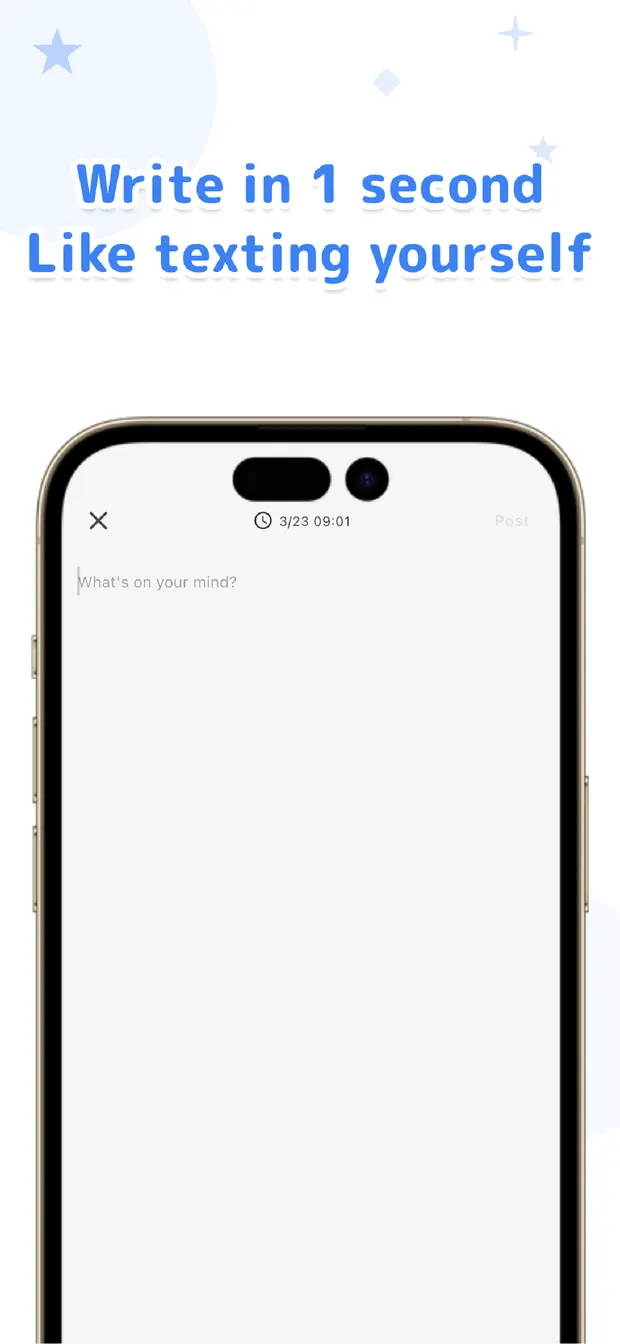
OneTapLog shows the input field the moment you open it, and you can type a line and send with one tap. You don't have to decide a theme, and you don't have to fill in fields. "Sleepy," "Went to the gym," "Made the slides" — anything works as a single line. The smaller the friction, the more your hands move even on tired or busy days.
A lot of what stops logging is "the pressure to write it perfectly." We made the UI a chat to strip that pressure away. The feeling that rough is fine, short is fine supports the small daily entries.
When the streak is "visible," you want to fill the gaps
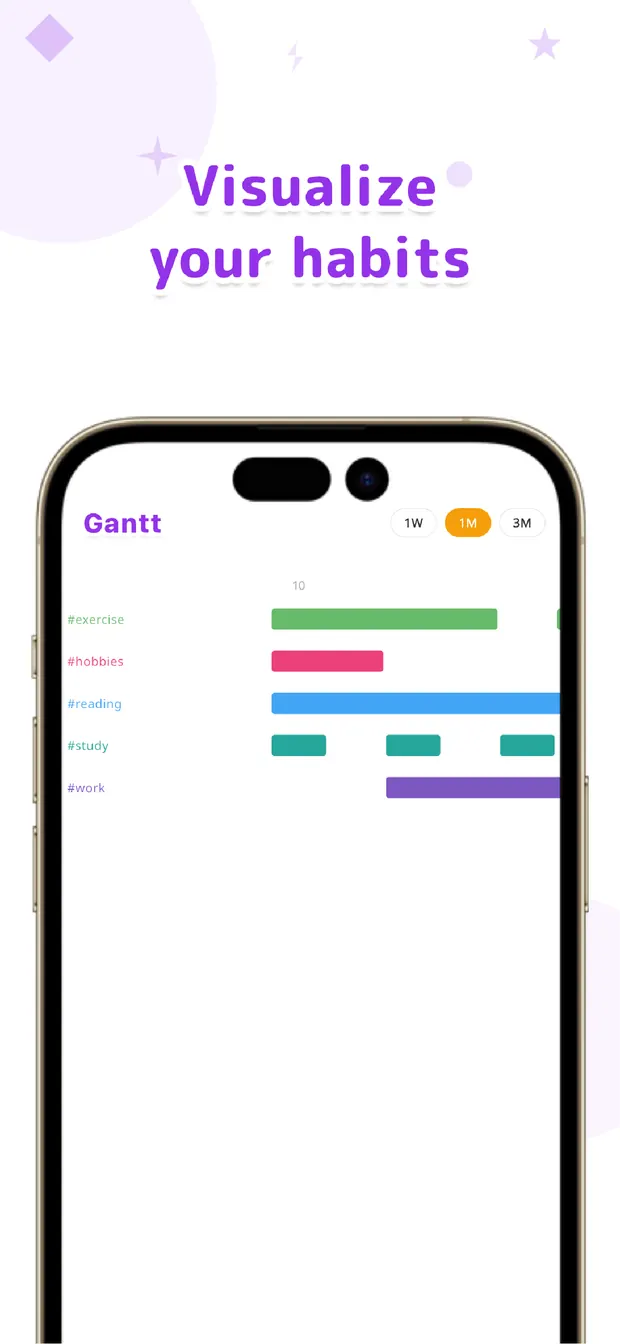
Writing lightly alone makes it hard to feel progress, so we built in a way to see that you're keeping it up. Write #workout or #study in your text and it auto-becomes a tag, then the Gantt chart shows that tag's streak as a bar.
What works here is "showing the gaps." Look at the bars and the empty days stand out clearly. People want to fill a gap they can see — we turned that instinct into the force of continuity. Just by writing, your log becomes a habit tracker.
You don't need iron willpower to escape the three-day quit. What you need is a light entrance for writing and a visible exit for the streak. With those two in place, logs keep going on their own. The more often you've failed before, the more you'll feel the power of design.
OneTapLog
One line, one tap. A logging app where your streak is visible with #tags and a Gantt chart. For anyone who wants to keep going without trying hard. No account, works offline, free to start.
Learn more about OneTapLogFrequently asked questions
My tracking apps always quit on me after three days.
Most of the cause is the small effort on every entry. Once a streak breaks it's hard to come back, so lower the bar until you can write in a single line, and create a sense of progress with a visible streak. That makes it easier to keep going.
Can I check whether I'm keeping it up?
Add a #tag in your text and the Gantt chart shows that tag's streak as a bar. Because the empty days are visible, the urge to fill the gaps becomes your motivation to continue.
Is it pointless if I don't write properly every day?
Not at all. Even a single line counts as a record. Rather than aiming for perfection, keeping it up roughly is what makes it worth looking back on later.
Can I fill in days I forgot to write?
Daily reminders give you a cue to write. Starting with the habit of leaving a single line when you remember naturally makes it less likely to break.