We're the OneTapLog team — we build tools for writing things down, so journaling is a subject we live with daily. And here's our honest, builder's-eye take up front: starting a journal is easy; keeping one is the hard part. This guide covers what journaling actually is, what it does for you, how to do it, and — most importantly — how to design the habit so it survives.
Want to start before you finish reading? OneTapLog opens ready to write. Free, no sign-up.
Journaling is dumping your head onto the page
Journaling means writing down your thoughts and feelings as they are — unpolished, unstructured, for no reader but yourself. It differs from keeping a diary: a diary records what happened; journaling externalizes what's happening in your head right now (we compare the two in a separate article). A worry that loops silently in your mind has no shape. Written down, it suddenly does: "so that's what's been bugging me." That's the whole trick.
What you get out of it
There's a body of psychology research on expressive writing suggesting that putting feelings into words can help people process stress and anxiety. It's not medicine and promises nothing — but the common feeling that "writing it out makes it lighter" has real backing behind it.
Research aside, three effects we notice ourselves: a clearer head — thoughts moved onto the page stop occupying working memory; distance from emotions — anger reads differently than it feels; and a record of yourself — months later, you can see what you worried about and what made you happy. That last one is a reward only people who keep going receive.
How to do it: the only rule is "write it as it comes"
There is no official method. If you want a starting shape: a few minutes is plenty — the classic advice is 15 minutes in the morning, but thirty seconds at a red light works too. Write whatever surfaces — "so tired," "dreading that meeting," "great ramen" all count; if you want a prompt, try "what's on my mind most right now." And don't fix typos or grammar — the moment you edit, you're writing for an audience, and the honesty leaks out.
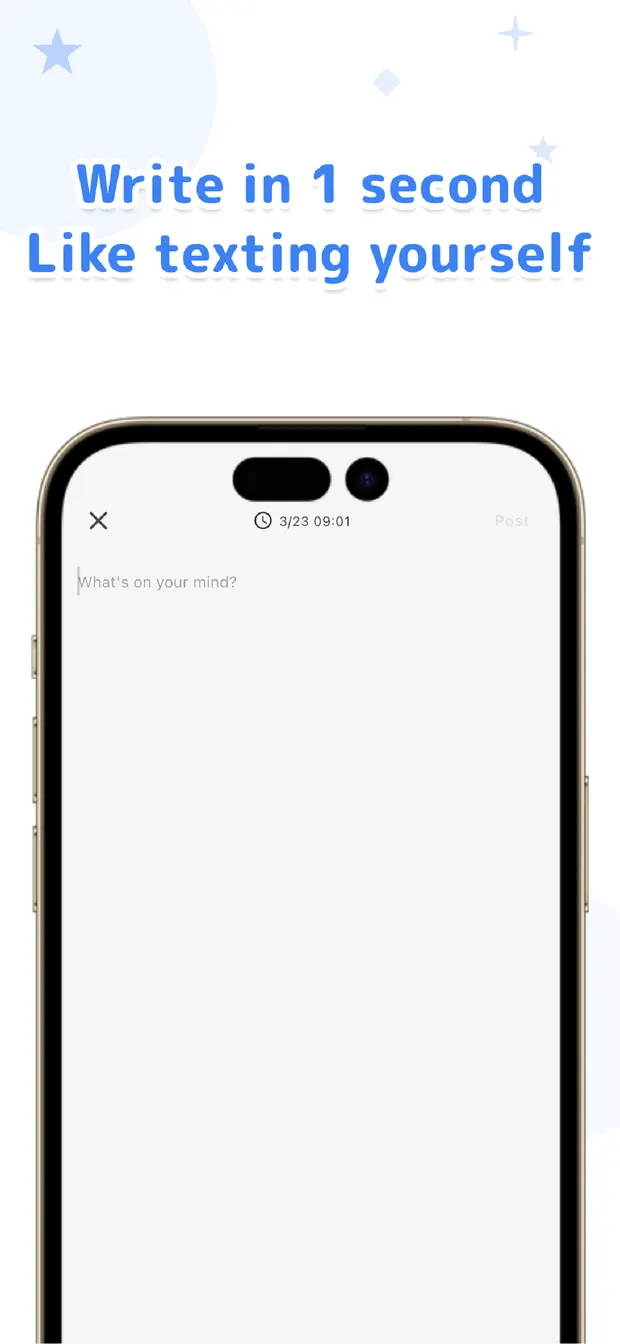
Paper or app? If you love the feel of handwriting, paper is great. If you want to capture thoughts the moment they appear, the phone already in your hand wins (we wrote a guide to choosing a journaling app).
OneTapLog is our bet on "the moment": the app opens with the keyboard already up, so a journaling session can fit into the seconds you'd otherwise spend waiting for an elevator. Not a scheduled ritual — micro-journaling slipped into the gaps of a normal day.
The real obstacle is quitting — so solve it with design
The method takes a paragraph to learn. The habit is where people fail, and we say that as a team of serial diary-quitters. Our conclusion after building for this problem: if starting to write takes more than a few seconds, you eventually won't. Finding the notebook, opening the app, tapping "new entry" — somewhere in there, "maybe tomorrow" wins.
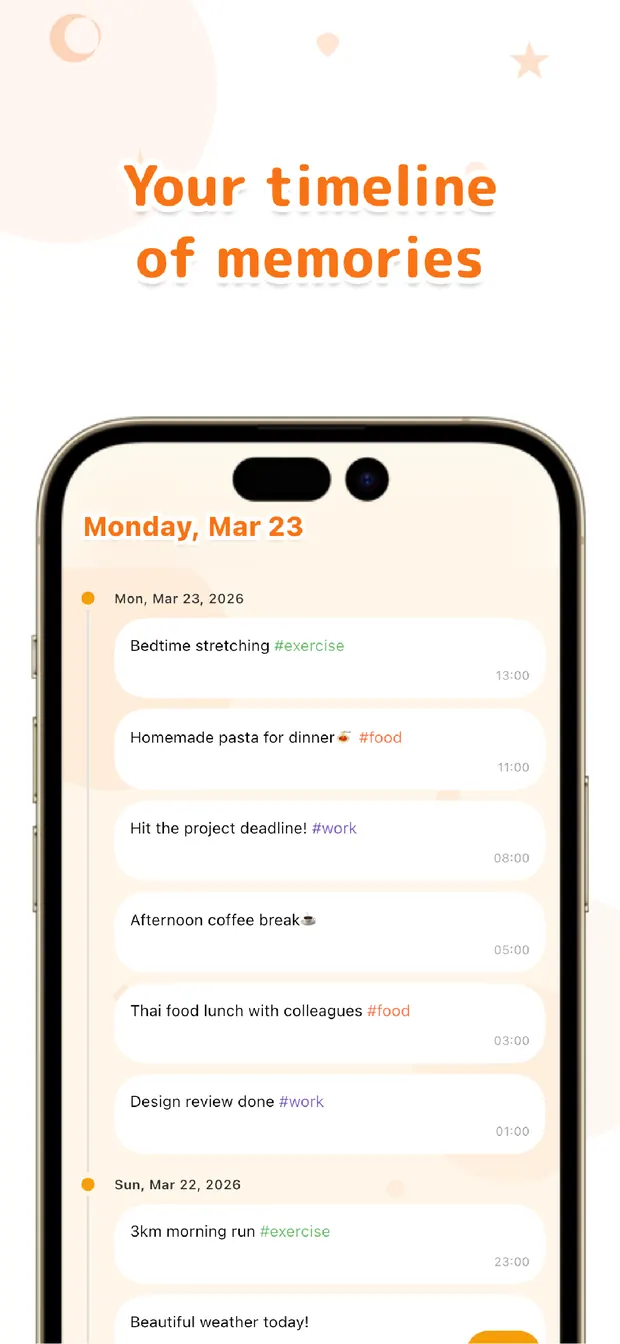
So lean on systems, not willpower. Keep exactly one place for writing. Never aim for good sentences. Don't punish gaps — missed days reset nothing. And cut the steps between impulse and typing to near zero. In OneTapLog, entries flow into a chat-style timeline, and tags like #anxiety or #work let you see how a theme rises and falls over weeks — your journaling quietly becomes a map of your inner weather.
Start with one line, today
Journaling is the lightest form of self-care there is: no equipment, no rules, no audience. Whatever is in your head right now — write that down somewhere. Congratulations, that was your first journaling session.
One-second journaling
OneTapLog opens ready to write, and keeps everything on a private timeline only you can see. No account, works offline, free.
Learn more about OneTapLogFrequently asked questions
Do I have to journal every day?
No. Skipped days reset nothing, and the pressure of a streak is itself a common reason people quit. What matters is keeping a place where you can write whenever you want to.
I don't know what to write.
Start with "what's on my mind most right now." If nothing comes, literally write "nothing to write" — once you start, more usually follows.
Paper or app?
Paper if you enjoy the act of handwriting and can set aside the time; an app if you want to capture thoughts the moment they appear and search them later. Many people use both.
What if someone reads it?
Journaling assumes no reader. OneTapLog has no publishing or sharing mechanism, and entries are stored on your device first — so you can write the unfiltered version.