You open the app or the notebook to start a diary, and then your hand freezes: "Okay… what do I write?" A few days slip by, and you quit. We're the team behind OneTapLog, and we've abandoned plenty of diaries ourselves. So we know the reason it doesn't stick isn't a lack of willpower.
In this article we tackle the very first stumble — not knowing what to write in a diary — with three easy formats and a few tricks to lower the barrier to writing. If you keep quitting, here are concrete methods you can use starting today.
Diaries don't stick because you stall on "what to write"
There are several reasons a diary fails, but the first gate is staring at a blank page with no idea what to put there. The more you feel you must write something impressive, the longer it takes to start — and in that gap, "I'll skip today" wins.
The flip side: if you decide what to write in advance, the hesitation disappears and your hand moves. Instead of thinking from scratch every time, keep a "format" for what to write. That's the single most effective trick when it comes to how to write.
Keep three formats so you never stall
To stop second-guessing what to write, pick one of these three formats to start. Each one fits in 1–3 lines, so you can keep it up even on a busy day.
- One-line diary: write a single sentence that sums up your day. "The ramen was great" or "So sleepy" both count. Just one line — the lowest-barrier format.
- Three-line diary: split it into "what happened," "how I felt," and "what I'll do tomorrow." The fixed slots mean you don't agonize over content, and it's done in about three minutes.
- Gratitude journal: write three things you were grateful for today. A good fit if you want to nudge your mood in a positive direction.
The key is not trying to write it perfectly. A format is a guide for avoiding hesitation, not a rule. On days you can't write, don't beat yourself up — writing only what you want to is plenty.
Anchor your writing time to your current routine
Once you've picked a format, decide "when to write." A new habit sticks more easily when you attach it to an existing one. Before bed, after a bath, on the commute, with your morning coffee — slot the writing in as an add-on to a routine you already have.
The pressure to "write every single day" actually becomes a reason to quit. Aiming for "write on the days you can" tends to last longer. A reminder to create a writing cue helps too.
Lower the effort-to-write, and it sticks even more
Even with a format and a time, one wall remains: the effort to get to writing. Open the app, find today's page, check the date, finally tap the input field — in those few seconds of friction, people give up.
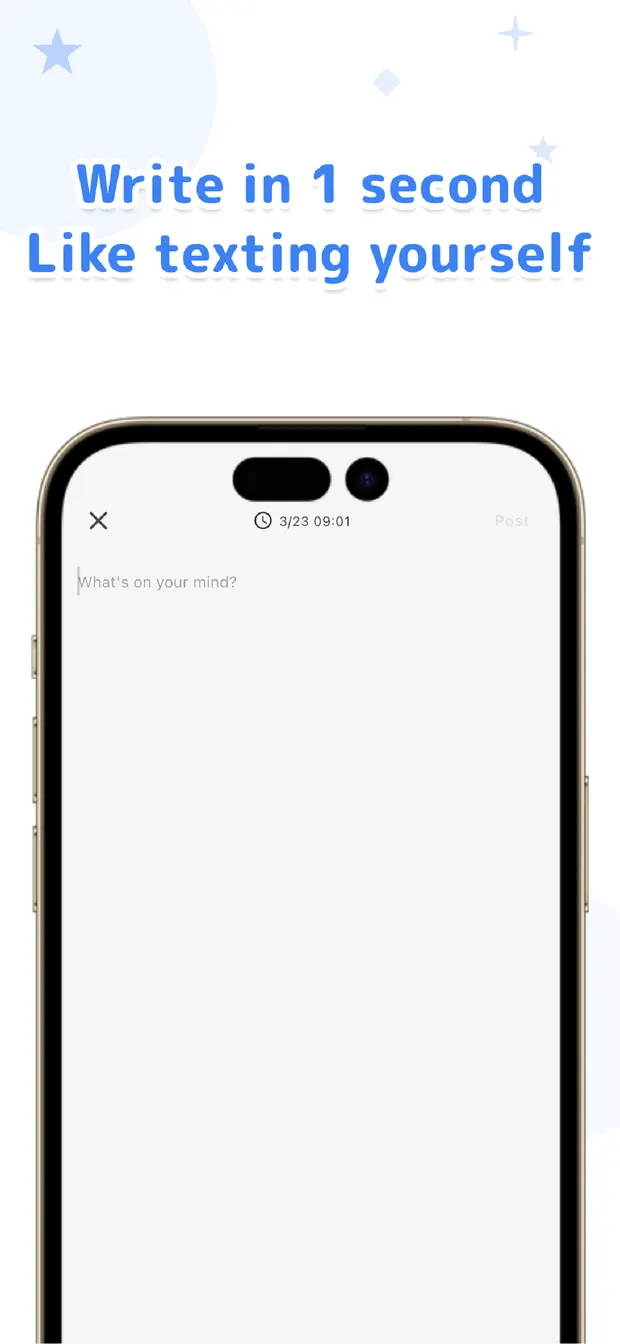
We built OneTapLog to take that friction to zero. The moment you open it, the keyboard is up and you just type a line and send it. No date picker, no page to find. Because it feels like sending a chat message, the "I have to write properly" pressure melts away too.
Make your streak visible
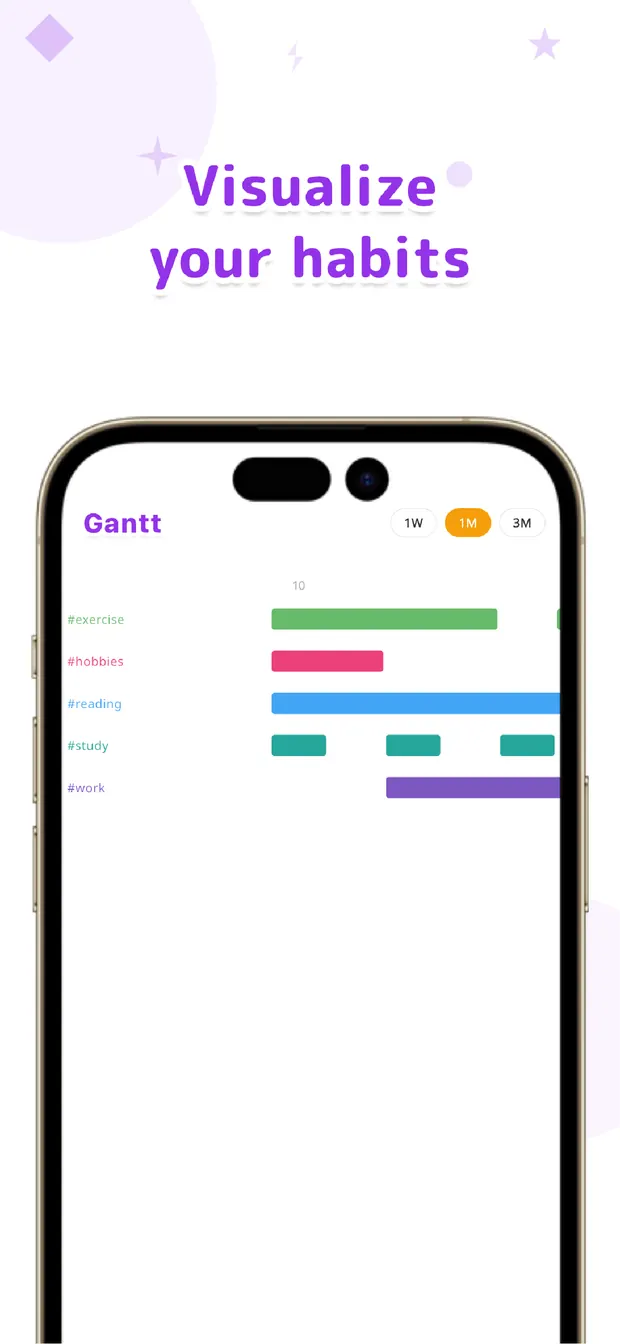
Once the writing habit forms, the last piece is the feeling of "I'm keeping it up." Write a tag like #workout or #reading in the text, and OneTapLog shows that streak in a Gantt chart and on the calendar.
Watching the bar grow makes you want to continue; seeing a gap makes you want to fill it. Just by writing, your diary doubles as a review tool and a habit tracker. When better writing habits meet a visible streak, your odds of sticking with it climb sharply.
Summary: keep a format, cut the effort, and it lasts
The trick to never stalling on how to write is simple: keep one format — one-line, three-line, or gratitude — anchor your writing time to your current life, and cut the effort it takes to start. Then make the streak visible. Don't aim for perfect; starting with one line is enough. The more you've quit before, the more the low barrier helps. Start with today's one line.

OneTapLog
A 1-second diary that's ready to write the moment you open it. No account, works offline, free to start.
Learn more about OneTapLogFrequently asked questions
What should I write in a diary?
Anything. When you're stuck, start with one of three formats: a one-line diary (a single sentence), a three-line diary (what happened / how you felt / what you'll do tomorrow), or a gratitude journal (three things you were grateful for). The format removes the guesswork.
Do I have to write every day?
No. The pressure to write daily often becomes the reason people quit. "Write on the days you can" tends to last longer. A reminder to create a writing cue helps too.
How much should I write?
One line is enough. More isn't better — shorter actually sticks better. OneTapLog lets you write from a single line, so even "so sleepy" is a proper entry.
What's the single best trick to keep going?
Cut the effort to get to writing. The more steps — open, pick a date, and so on — the more people drop off. If you can write the instant you open the app and anchor it to your routine, it's far easier to sustain.